Web Server Security

Web Server Security Hacker's Guide
Is your Web Server secure?
What is Web Server Security?
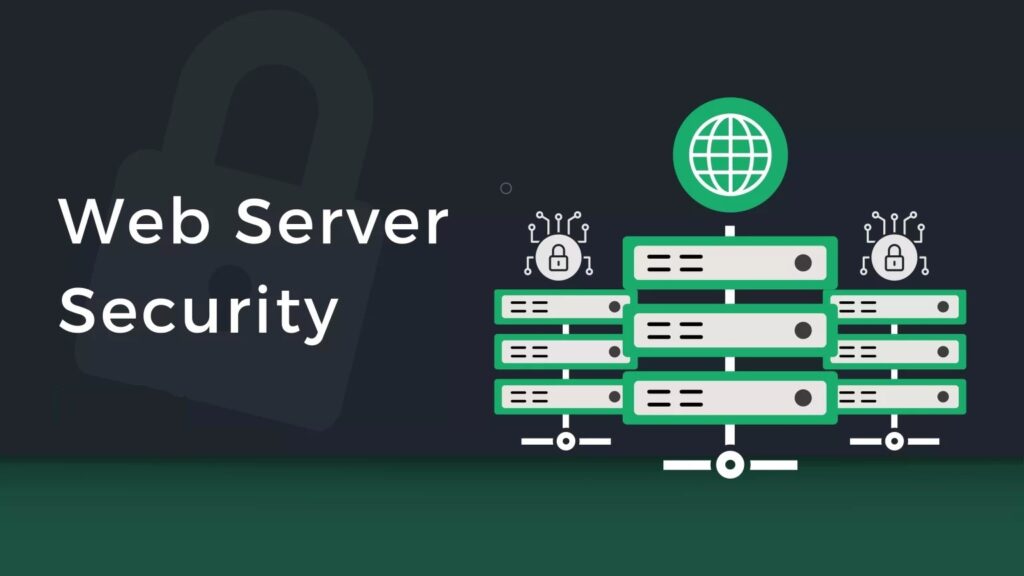
Web server security refers to the measures and practices implemented to protect a web server from unauthorized access, cyberattacks, data breaches, and other security threats.
Why is it important?
Web server security is important for several reasons, and it’s important for both businesses and individual users. Here are some key reasons highlighting the importance of web server security:
1. Protection of Sensitive Data:
Websites often handle sensitive user information such as personal details, login credentials, and financial data. A secure web server helps protect this information from data breaches.
Hackers and malicious entities constantly attempt to gain unauthorized access to web servers. An unsecured server can lead to unauthorized modification of content, defacement, or even complete loss of control. Strong web server security measures help prevent unauthorized access attempts.
3. Maintaining User Trust:
Users expect that their data will be handled securely when interacting with a website. A breach not only puts their personal information at risk but also damages trust. Maintaining a secure server environment helps building and maintaining trust among users.
4. Financial Protection:
Security breaches can have severe financial implications for businesses. Other than the immediate costs of addressing and recovering from an attack, there can be legal consequences, regulatory fines, and potential loss of revenue due to reputational damage.
Attacks on web servers can lead to service disturbances and downtime. This impacts the availability of websites, which is important for businesses that rely on their online presence for customer interactions and transactions. A secure server helps ensure continuous availability.
6. Protection Against Malware and Exploits:
Web servers are prime targets for malware and exploits. An unsecured server can be used to distribute malware, launch attacks on other systems, or participate in botnets. By implementing security measures, organizations can reduce the risk of their servers being used for malicious purposes.
7. Compliance with Regulations:
Many industries and jurisdictions have regulations and compliance standards regarding the handling of sensitive data. Maintaining web server security is often a prerequisite for compliance with these standards, helping organizations avoid legal consequences.
8. Prevention of Data Loss:
A secure server environment includes regular backups and data recovery mechanisms. This is crucial for preventing data loss in case of accidental deletion, hardware failure, or security incidents. Regular backups ensure that critical data can be restored.
9. Mitigation of Reputation Damage:
A security breach not only affects the immediate users involved but can also damage the reputation of a business or individual. News of security incidents spreads quickly, and the perception of an insecure website can have lasting negative effects.
10. Protection Against DDoS Attacks:
Distributed Denial of Service (DDoS) attacks can overwhelm servers, causing service disruptions. Security measures, such as firewalls and traffic monitoring, can help mitigate the impact of DDoS attacks and ensure the continued availability of services.
What are the Most Common Web Server Weaknesses?
Web servers deliver the web content you browse daily, and they’re designed to be as robust, efficient, and secure as possible. However, they still have a number of vulnerabilities that affect their (and their users’) security.
DoS Attack
When someone launches a denial of service (DoS) attack, they are trying to prevent users from accessing the targeted web server or network resource as they usually would.
These focus on a specific web server or resource: the attacker floods the target with high levels of traffic until it becomes unavailable to genuine users. That can be especially damaging for online retail sites, as they would be unable to process transactions.
Perpetrators launch DoS attacks using viruses, bots, or other tools that consume the target’s CPU or network capacity. They can also initiate attacks with computers or networks that have been infected by viruses or other harmful software.
Cross-Site Scripting Attacks
During cross-site scripting (XSS) attacks, perpetrators inject code executed by the user’s web browser. The code responsible is typically seized when the user’s cookies are sent to the web server.
Perpetrators tend to use XSS attacks to undertake actions on behalf of a user, which allows them to access a user’s current session.
SQL Injection Attacks
An SQL injection is a form of attack capable of overrunning a database. The attacker will input malicious code into the information entry fields on a data-driven application or website.
Once the code is injected into the database of a website or application, the attacker can access data that would normally be out of their reach. They can view and tamper with this information, which could allow them to manipulate and expose sensitive data.
How to Keep Your Web Server Secure
n our interconnected world, companies of all sizes must take web server security seriously to stay safe. Cybercriminals have a wide variety of techniques to choose from, so it’s vital that you implement the necessary measures to secure your web server.
Attackers can cause extensive damage to any business, but comprehensive security can make their work much more difficult. Here are three simple steps to keep your web server secure.
Top Open Source Security Solutions for Web Servers
n our interconnected world, companies of all sizes must take web server security seriously to stay safe. Cybercriminals have a wide variety of techniques to choose from, so it’s vital that you implement the necessary measures to secure your web server.
Attackers can cause extensive damage to any business, but comprehensive security can make their work much more difficult. Here are three simple steps to keep your web server secure.