Enhancing Cybersecurity with XDR

What is XDR?
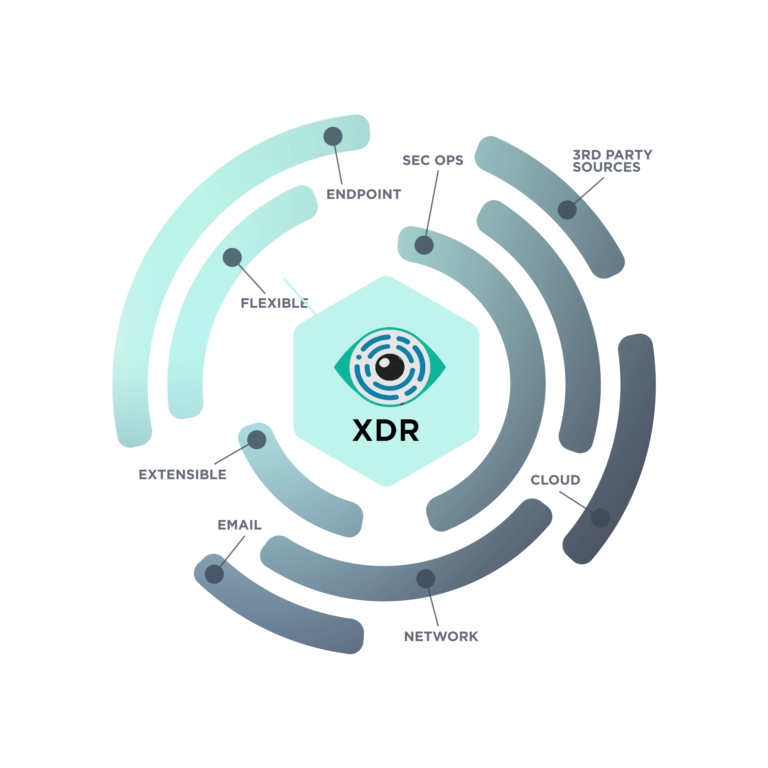
As cyber threats grow in complexity, traditional security measures often fall short in detecting and responding to sophisticated attacks. Extended Detection and Response (XDR) is emerging as a game-changer in the cybersecurity landscape, offering a more integrated and proactive approach to threat management.
What is a XDR - Extended Detection
XDR unifies multiple security layers—such as endpoint, network, and cloud—into a single, cohesive system. This integration enables faster detection and more accurate threat responses, minimizing the impact of attacks on organizations. Unlike traditional tools that work in silos, XDR offers a holistic view, correlating data from various sources to identify patterns and anomalies that may indicate a security breach.
Benefits of XDR
- Comprehensive Visibility: XDR provides a unified view of security data across all platforms, allowing for better monitoring and analysis.
- Improved Efficiency: Automated threat detection and response reduce the workload on security teams, allowing them to focus on critical issues.
- Proactive Defense: XDR’s advanced analytics and machine learning capabilities enable proactive threat hunting and faster response times.
Implementing XDR in Your Organization
Adopting XDR involves integrating existing security tools into a centralized platform. This not only enhances detection capabilities but also streamlines incident response processes. Organizations can benefit from a more coordinated and effective defense strategy, reducing the risk of successful cyberattacks.
What is difference between XDR & EDR
The primary focus of a DoS attack is to oversaturate the capacity of a targeted machine, resulting in denial-of-service to additional requests. The multiple attack vectors of DoS attacks can be grouped by their similarities.

Root Cybers as a provider specializing in advanced cybersecurity solutions and AI-driven technologies, ensuring comprehensive protection and innovative insights for your digital assets
Services
- Secure Private Cloud
- Programming
- Secure Websites
- Linux Security
- Windows Security